
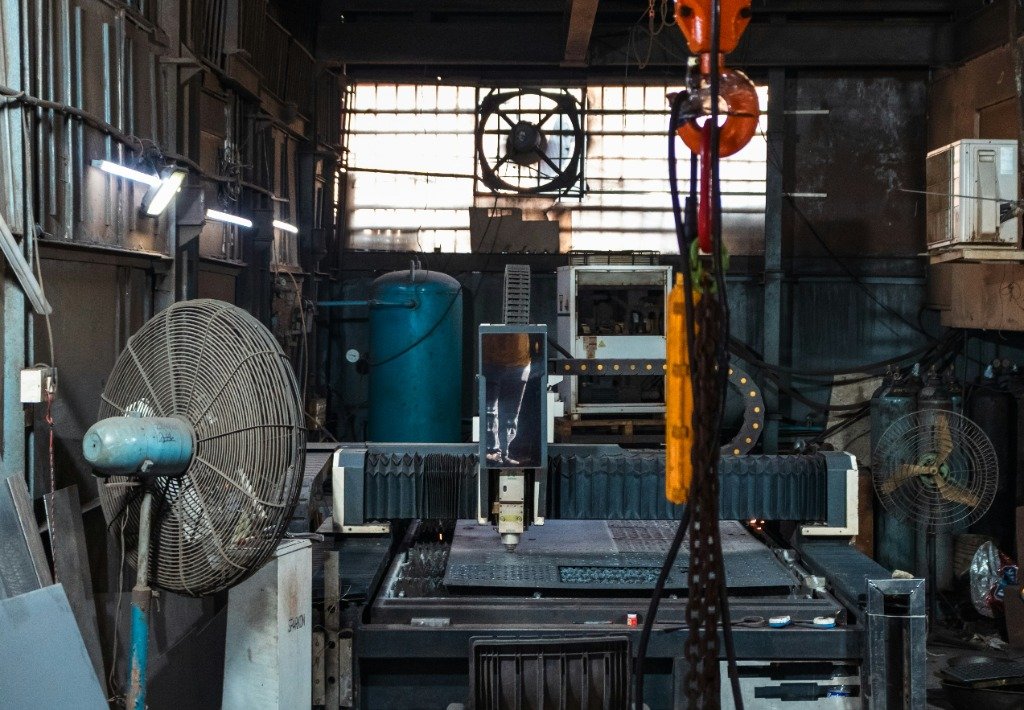
The relocation of heavy machinery involves an entirely different procedure compared to moving household items or any office-related items. Heavy machinery is extremely heavy and heavy lifting is needed to ensure a safe relocation of machinery without causing damage or injuries.
Challenges are faced in Auckland. Issues such as restricted industrial locations, loading restrictions, limited entry points, heavy traffic, and lifting equipment coordination at the site have to be dealt with.
Proper planning and finding professional heavy machinery moving companies rely on what can help move the heavy machinery smoothly. Take note of these 10 tips for making your equipment move easy and hassle-free.
Machinery relocation requires much more than simply pushing equipment onto a standard truck.
Machines have unique weights, heights, widths, and odd shapes. A strange centre of gravity makes them very easy to tip over if not handled correctly.
You must deal with tight loading docks, narrow doorways, steep ramps, stairs, and low ceiling clearance. Restricted access can stop a move entirely.
If a machine drops, it can lead to expensive repairs. Worse, broken equipment stops your business from running, leading to costly downtime. Careful planning prevents these issues.
Movers must determine the size, weight, and centre of gravity of your machine. They must also identify the fragile and removable parts, power requirements, and instructions for handling from the manufacturer. You need to know precisely where your machine is and where it is going. The pre-move evaluation gives the information needed for choosing the right equipment, the proper amount of labour, and the safest way of transporting the machine.
The entire route from the present point to the new destination must be prepared. You have to analyze entryways, lengthy hallways, loading platforms, ramps, and road access. Make sure that you establish limits on bridge weight or height. The industrial district in Auckland might prove to be troublesome for access and heavy traffic in terms of route mapping and avoiding holdups.
Don’t just evaluate the machinery itself; also evaluate the site. Review the locations of entrance doors, floors, and loading docks at both pickup and delivery sites. Check the conditions of the new location, as some locations may not be able to accommodate the type of moving machinery effectively. Measure all doorways, elevation changes, and gates before the actual day of moving.
In most cases, moving heavy machinery calls for dealing with unique equipment rather than just normal tools. It could be special equipment or things like industrial machine skates, hydraulic machines, lifts, electric hoists, and also special transportation vehicles. Moreover, it is essential to ascertain whether the equipment to be used works well with the type of machinery being moved and the conditions of the job site.
You must follow preparation steps before loading. First, disconnect the power, water, hydraulic, or pneumatic lines safely. Next, remove or tightly secure loose components that could move during transportation. Finally, protect the sensitive parts. Use suitable protection for control panels, exposed components, and other vulnerable areas so they do not break.
The risk is not limited to damaging the machine itself. You must protect the factory floors, doorways, walls, and loading areas. You also need to protect the machinery surfaces, controls, and small components from scratches or dust. Planning exactly how the machinery will be moved across different surfaces stops costly property damage.
Transport selection matters immensely. You must consider the machinery weight, overall dimensions, travel distance, and the loading method. You also need to think about road conditions, required tie-down restraints, and delivery timing. Oversized or unusually heavy equipment may require specialist transport arrangements to move safely across the city.
Heavy machinery relocation projects involve more than just the moving crew. You need to work together with site managers, production teams, engineers, safety officers, building managers, and equipment operators to make a perfect schedule for the relocation of the machines. This helps reduce unnecessary production downtime.
When relocating machines, one must consider that it is not just a simple operation but rather a complex business process that must be carefully planned out. The site should be completely prepared for safe operations and the use of hoisting techniques, ensuring that proper load securing methods will be in place.
Businesses should strongly consider experienced industrial machinery movers for complex relocations. Experts bring deep experience with heavy equipment, proper moving tools, and careful pre-move planning. They ensure safe handling, arrange specialist transport, and handle the coordination between locations. This minimises operational downtime. Big Bull Commercial is a highly experienced, Auckland-based commercial moving company ready to handle your industrial and machinery relocations safely.
The cost of heavy equipment moving differs from project to project. The costs are based on machine weight and size, number of pieces of equipment to be moved, distance to be covered, accessibility of the site, required equipment, and requirements of labour.
If your move needs specialist transport requirements, cranes, or unique lifting tools, the cost will adjust accordingly. The overall complexity of the relocation plays a massive role in the final price.
Cheap quotes may not always be the best option. Machinery moves should be evaluated based on thorough planning, correct equipment, safety experience, and potential downtime—not just the lowest quote. A cheap move that breaks a machine is incredibly expensive.
Here is a simple checklist to get ready for your move.
Before Moving Day
- Create a full machinery inventory.
- Measure the machinery exactly.
- Photograph the equipment.
- Confirm building access.
- Plan the driving route.
- Coordinate power shutdowns.
- Confirm the transport trucks.
- Communicate the schedule to staff.
On Moving Day
- Keep access areas totally clear.
- Follow the agreed moving plan.
- Keep unnecessary personnel away from the work area.
- Confirm the destination is ready for arrival.
After Installation
- Position the machinery correctly.
- Reconnect services through the appropriate personnel.
- Check the equipment carefully.
- Confirm it is completely ready for operation.
Big Bull Commercial focuses strictly on expert commercial relocations. We handle heavy machinery relocation, industrial equipment moving, and safe commercial transportation. We provide deep pre-move planning and specialist handling for all Auckland-wide commercial relocations.
If you're preparing for a machinery move, our guide on how to move heavy machinery safely covers practical tips to help you plan the relocation and avoid common moving challenges.
We know how to protect your expensive assets and keep your business moving forward without major delays. Discuss your specific machinery relocation requirements with Big Bull Commercial today to ensure a safe and perfectly organised move.
Safe moving requires a careful pre-move assessment, using the correct lifting equipment, proper route planning, and hiring trained movers.
Movers use strong forklifts, heavy machinery skates, hydraulic equipment, cranes, and specialist transport vehicles.
The timeframe depends heavily on the number and size of machines, building access, travel distance, and overall complexity.
Yes. However, the driving route, building access, and transport requirements need to be carefully assessed beforehand.
Yes. Specialist experience is highly valuable for heavy, oversized, sensitive, or difficult-to-access equipment to prevent damage and keep workers safe.
A successful machinery relocation starts well before moving day. The process relies entirely on careful assessment, strict planning, clear access, proper equipment, safe handling, correct transport, and precise installation.
Do not leave your valuable tools to chance. If you are an Auckland business planning an industrial machinery move, get the right help. Contact Big Bull Commercial to handle the heavy lifting safely.