
Moving a warehouse is not a small job. You have racking systems, heavy machinery, thousands of stock items, and a team of people who rely on the space to do their work every day. One bad week of downtime can cost you clients, orders, and money.
According to McKinsey, poor planning during a supply chain relocation causes 45% of businesses to lose revenue in the process. That is almost half. And most of that loss comes from things that could have been avoided with a clear plan.
This guide is for any business in Auckland that is planning a warehouse move — whether you are moving a small storage unit or a large industrial facility. The steps are the same. The scale is just different. If you have already started looking for warehouse movers in Auckland, this guide will also help you know what to look for and what questions to ask.
7 Steps to move a warehouse
- Step 1 – Start Planning 3 to 6 Months Early
- Step 2 – Do a Full Inventory Audit
- Step 3 – Plan Your New Warehouse Layout
- Step 4 – Handle IT and Equipment First
- Step 5 – Talk to Your Team Early
- Step 6 – Executing the Move
- Step 7 – Getting Back to Normal
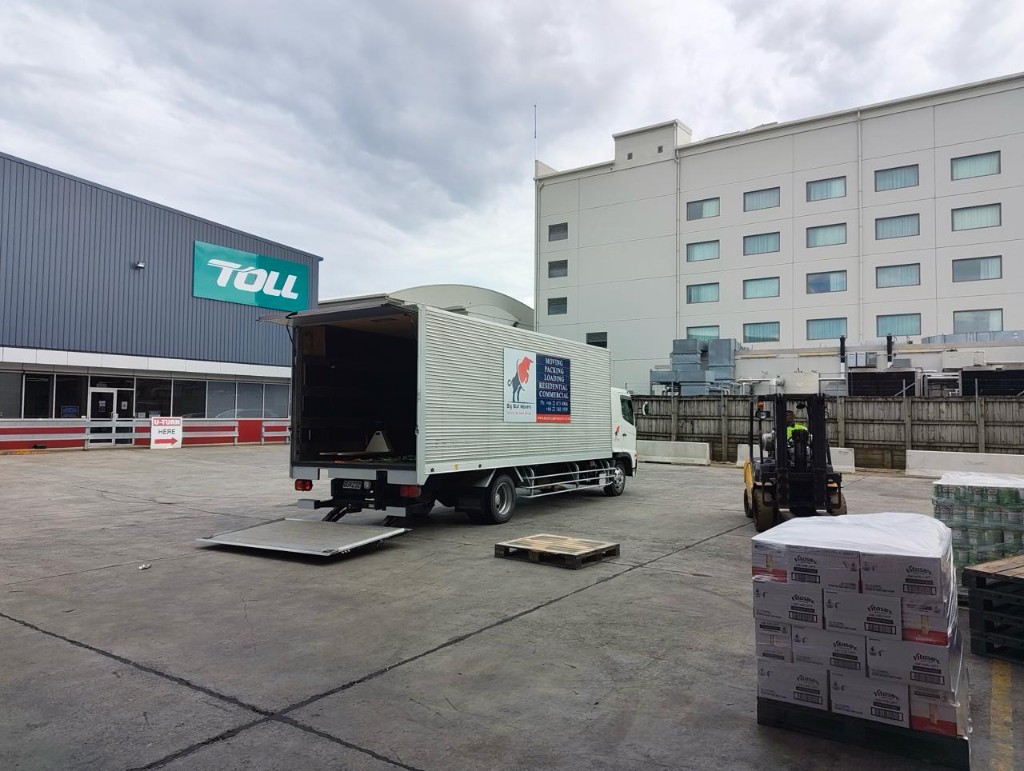
Step 1 – Start Planning 3 to 6 Months Early
Most warehouse moves go wrong because the planning started too late. For a small warehouse (under 20 staff, single floor), 3 months is the minimum. For a larger operation with multiple zones, heavy machinery, or racking systems, give yourself 5 to 6 months. Some big industrial moves need even longer. The earlier you start, the more you can control — dates, costs, and how much disruption your team has to deal with.
The first thing to do is assign one person to manage the move.
This does not have to be a full-time role, but one person needs to be the decision-maker. Without this, tasks get dropped and things slow down at the worst time.
You will also want to create a basic warehouse relocation checklist at this stage. It does not need to be complicated. A simple document with tasks, owners, and deadlines is enough to keep everyone on the same page.
Key decisions to make in the first month:
- When does your current lease end?
- What is the layout of the new warehouse?
- Which equipment is coming with you and which is being replaced?
- Who is handling IT and machinery disconnection?
- What are the health and safety requirements at the new site?
Writing the answers down early stops small things from becoming big problems later.
Step 2 – Do a Full Inventory Audit
Before anything gets packed, you need to know exactly what you have. A stocktake is not just admin work. It is one of the most useful things you can do before a warehouse move. It helps you decide what to take, what to sell, and what to get rid of — and it can reduce your moving costs significantly.
According to industry data, businesses that do a full inventory audit before a warehouse move reduce their transport costs by up to 20%. That is because they are not paying to move stock or equipment they no longer need.
What to do with items you are not taking:
- Surplus stock can be sold before the move, which frees up both space and cash
- Obsolete equipment can be sold for parts or recycled
- Old racking and shelving that does not fit the new space can be disposed of
- Documents past their legal retention period can be shredded
If you have stock that cannot move straight away, short-term storage is a practical option. Big Bull Commercial offers secure storage solutions that can hold your inventory safely during the changeover — so nothing gets rushed or damaged.
How the audit saves money:
Once you know exactly what is moving, you can give your warehouse movers an accurate scope. This means more accurate quotes, no surprises on moving day, and a faster setup at the new site.
Not sure how to store surplus stock during your move? Talk to our team at Big Bull Commercial — we can help you work out a plan before the move starts.
Step 3 – Plan Your New Warehouse Layout
This step is often skipped. It should not be. If you do not have a clear floor plan ready before the movers arrive, you will spend a moving day directing every single item yourself. That wastes time and costs money. Before the physical move, map out exactly where everything will go in the new warehouse — racking zones, packing areas, dispatch, staff areas, and storage sections.
Racking, shelving, and zone planning:
Think about flow first. Where do goods come in? Where do they get stored? Where do they leave from? The layout should make movement through the warehouse as simple as possible.
If your racking system is being relocated and reinstalled, you need a company that specialises in warehouse equipment installation. Not all moving companies handle this. Big Bull Commercial works with warehouses across Auckland and includes racking disassembly and reassembly as part of our warehouse moving services.
Health and safety in the new space:
Before you move in, confirm that the new site meets your health and safety obligations. This includes:
- Clear emergency exits
- Adequate lighting in all zones
- Floor load ratings that match your racking and equipment
- Forklift access and turning space if needed
Checking these before moving day saves you from discovering problems after everything is already in place.
Step 4 – Handle IT and Equipment First
Warehouse operations depend on more than just shelves and stock. Most warehouses run on warehouse management systems (WMS), barcode scanners, RFID systems, and sometimes automated picking or sorting equipment. If these are not set up and tested at the new site before the rest of the team arrives, your operations will not restart on time.
According to Gartner, IT-related downtime costs businesses an average of $5,600 per minute. Even a few hours without your WMS running adds up fast.
WMS and barcode systems:
- Back up all data before anything is disconnected
- Book your IT team or provider to set up the new system at least 1 week before the move
- Test everything — scanners, printers, integrations — before staff start using the new space
- Do not assume the internet connection will be ready on moving day. Providers in NZ can take 2 to 4 weeks to install. Book early.
Heavy machinery and specialised equipment:
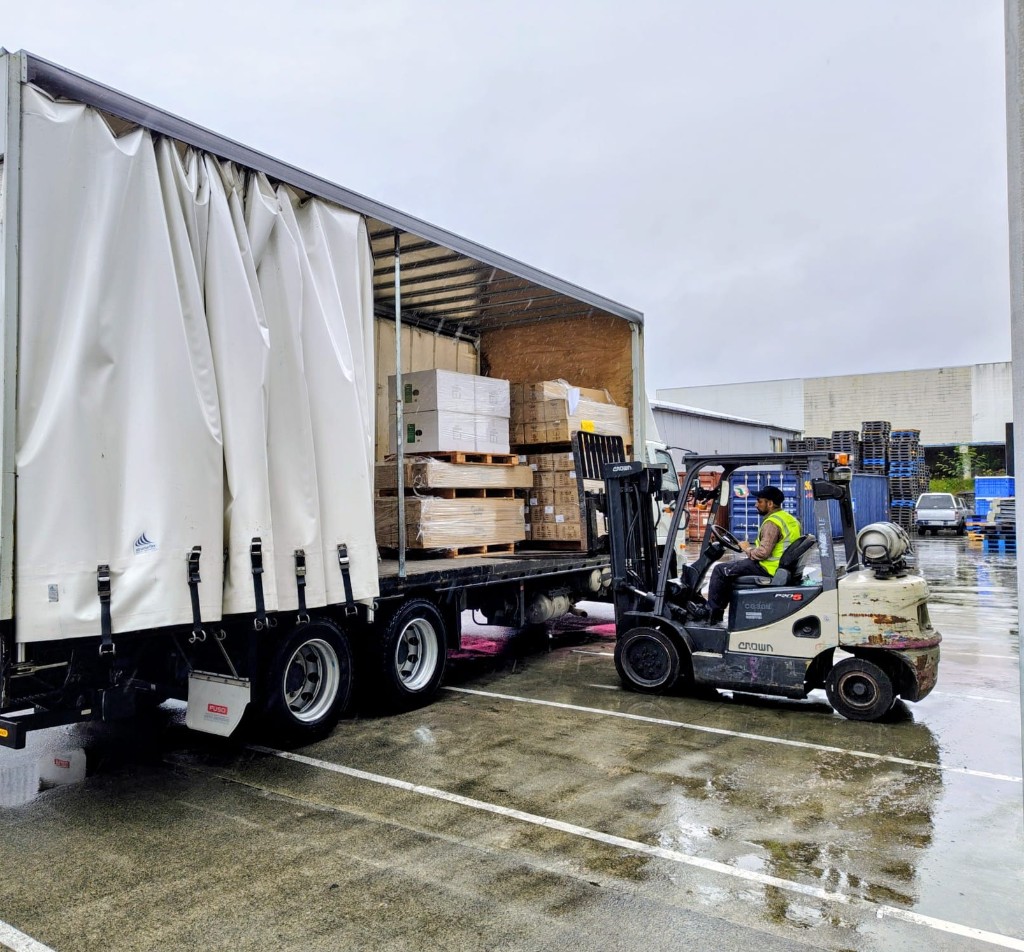
Forklifts, conveyor systems, pallet wrappers, and other warehouse machinery need to be handled by people who know what they are doing. Moving this equipment incorrectly can damage it, delay your operations, or create safety risks.
Big Bull Commercial's warehouse moving team handles heavy equipment as part of our standard warehouse relocation service — including disconnection, transport, and reinstallation at the new site.
Need help with a full warehouse relocation in Auckland? Get a free quote from Big Bull Commercial — no obligation, just a clear number based on your actual requirements.
Step 5 – Talk to Your Team Early
A warehouse move affects every person on your floor. If your team does not know what is happening, when it is happening, and what their role is on moving day, things go wrong. Items get packed in the wrong order. Staff show up at the wrong place. Time gets wasted.
What staff need to know before the move:
- The move date and the expected handover timeline
- Their responsibilities during the move (who packs what, who oversees which zone)
- The address and layout of the new warehouse
- Any changes to parking, access, or shift times
- Who to contact if they have questions
It helps to hold a short briefing session 2 to 4 weeks before the move. Keep it practical — cover the basics and give people a chance to ask questions.
Roles on moving day:
Assign at least one person to be at the old warehouse and one at the new one. These two people are the communication link between your team and the moving crew. They answer questions, confirm placement of items, and handle any issues that come up on the day. This small step stops a moving day from turning into a long, unorganised day for everyone.
Step 6 – Executing the Move
If you have worked through Steps 1 to 5, moving day should be the most straightforward part. A few things that make a real difference on the day:
- Confirm everything with your warehouse movers one week out. Check the truck arrival time. Confirm building access. Make sure there are no restrictions on delivery hours at either site — some Auckland industrial areas and CBD-adjacent zones have rules about this.
- Give your moving team a copy of the floor plan. Label every rack, pallet, and piece of equipment with its destination zone in the new warehouse. Use colour-coded labels or numbered tags. This is what makes setup at the new site fast and organised.
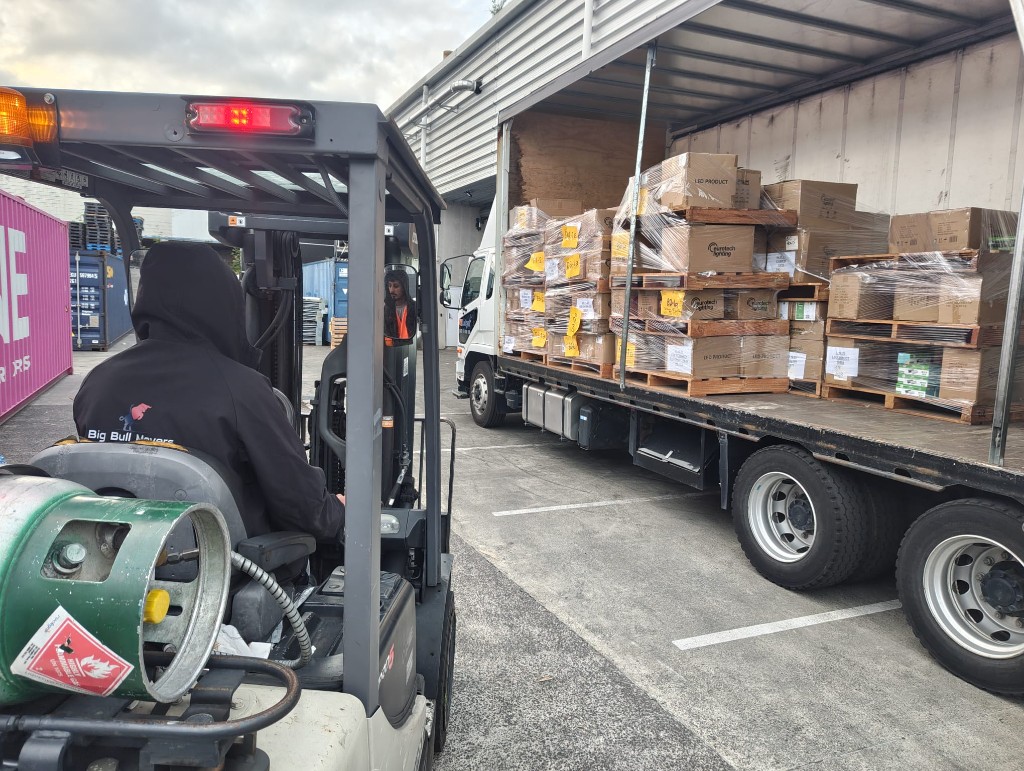
- Move in sections, not all at once. Start with the items that are least critical to daily operations — archived stock, spare equipment, overflow items. Move your active stock and essential equipment last. This way, if something takes longer than expected, your core operations are the last thing to be disrupted.
- Do a full walkthrough of the old warehouse before you leave. Check every room, corner, mezzanine level, and storage area. Make sure nothing has been left behind and that the space is in the condition your lease requires.
Big Bull Commercial handles business relocations of all sizes — from a single-level storage facility to a large multi-zone industrial warehouse. We work around your schedule, including after-hours and weekend moves, so your business keeps running.
Step 7 – Getting Back to Normal
The boxes are in. The racking is up. But the job is not finished yet. The first two or three days in a new warehouse are always a bit slow. That is normal. Build that into your plan so your team is not under pressure from day one.
Things to check in the first 48 hours:
- All WMS and IT systems are live and tested
- Racking is correctly installed and load-rated labels are in place
- Forklift charging stations and access routes are clear
- Staff know the new layout well enough to work without confusion
- Emergency exits are clearly marked and unobstructed
- Any snags or issues are logged and assigned to someone to fix
A short team check-in at the end of day one helps catch small issues before they become bigger ones. It also gives your team a chance to raise anything they noticed during the day.
Why Auckland Businesses Work With Big Bull Commercial
There is a difference between a general removalist and a team that moves warehouses regularly. Big Bull Commercial has been handling professional warehouse relocation services across Auckland and New Zealand for years. We work with businesses of all sizes — from small storage operations to large industrial facilities with racking systems, machinery, and active stock.
Here is what that looks like in practice:
- We plan with you before the move. We go through the floor plan, the equipment list, and the timeline so nothing is missed.
- We handle racking and heavy equipment. Disassembly, transport, and reinstallation — all included.
- We work around your hours. After-hours and weekend moves are standard for us. Your operations keep running.
- We are a reliable commercial moving service in Auckland with a track record across hundreds of warehouse and commercial jobs.
- We handle business relocations of all sizes. Whether you are a 3-person operation or a 50-person warehouse, the process is the same — planned, organised, and done on time.
Whether you need specialised furniture moving, office and warehouse relocations, or a full industrial move, Big Bull Commercial covers it all under one roof.
Get a free quote for your warehouse relocation in Auckland →
FAQ
How far in advance should I plan a warehouse relocation in Auckland?
For a small warehouse, 3 months is the minimum. Larger facilities with racking systems, machinery, or active stock need 5 to 6 months. The earlier you start, the more control you have over cost, timing, and disruption to your operations.
How long does a warehouse move in Auckland take?
A small warehouse can often be moved in 1 to 2 days. Larger facilities with multiple zones, racking systems, and heavy equipment may need 3 to 5 days. Big Bull Commercial can give you a more accurate estimate after a free site assessment.
How do you move heavy racking and shelving systems?
Racking systems need to be professionally disassembled, transported, and reinstalled. This is not something a general removalist handles well. Big Bull Commercial works with a company that specialises in warehouse equipment installation — racking disassembly and reinstallation is included in our warehouse relocation service.
How do I keep my business running during a warehouse move?
The key is phasing. Move non-critical stock and equipment first. Keep your active inventory and core systems running until the last stage of the move. After-hours and weekend moves also help — Big Bull Commercial regularly completes warehouse moves outside business hours so operations continue during the week.
What are the prices of warehouse movers in Auckland?
Costs vary depending on the size of the warehouse, the amount of equipment and stock, the distance between sites, and whether after-hours moving is needed. Contact Big Bull Commercial for a free, no-obligation quote — we give you a clear number based on your actual job, not a rough estimate.
What should be on my warehouse relocation checklist?
At minimum: assign a project manager, complete a full inventory audit, plan the new layout before moving day, sort out IT and machinery disconnection early, brief your team, confirm details with your movers one week out, and do a full walkthrough of the old site before you leave. A detailed checklist for each step keeps everyone on track.
Can Big Bull Commercial handle warehouse moves of any size?
Yes. Big Bull Commercial handles business relocations of all sizes — from a compact storage facility to a large multi-floor industrial warehouse. We adjust the crew, equipment, and timeline to suit the job. Get in touch to discuss your requirements.
Ready to Move Your Warehouse?
A warehouse move does not have to stop your business for weeks. With the right plan and a moving team that knows what it is doing, most warehouses are up and running in the new location faster than their managers expected.
Big Bull Commercial is here from the first planning call to the last piece of racking going up.
Talk to our team today → | See our warehouse moving services →