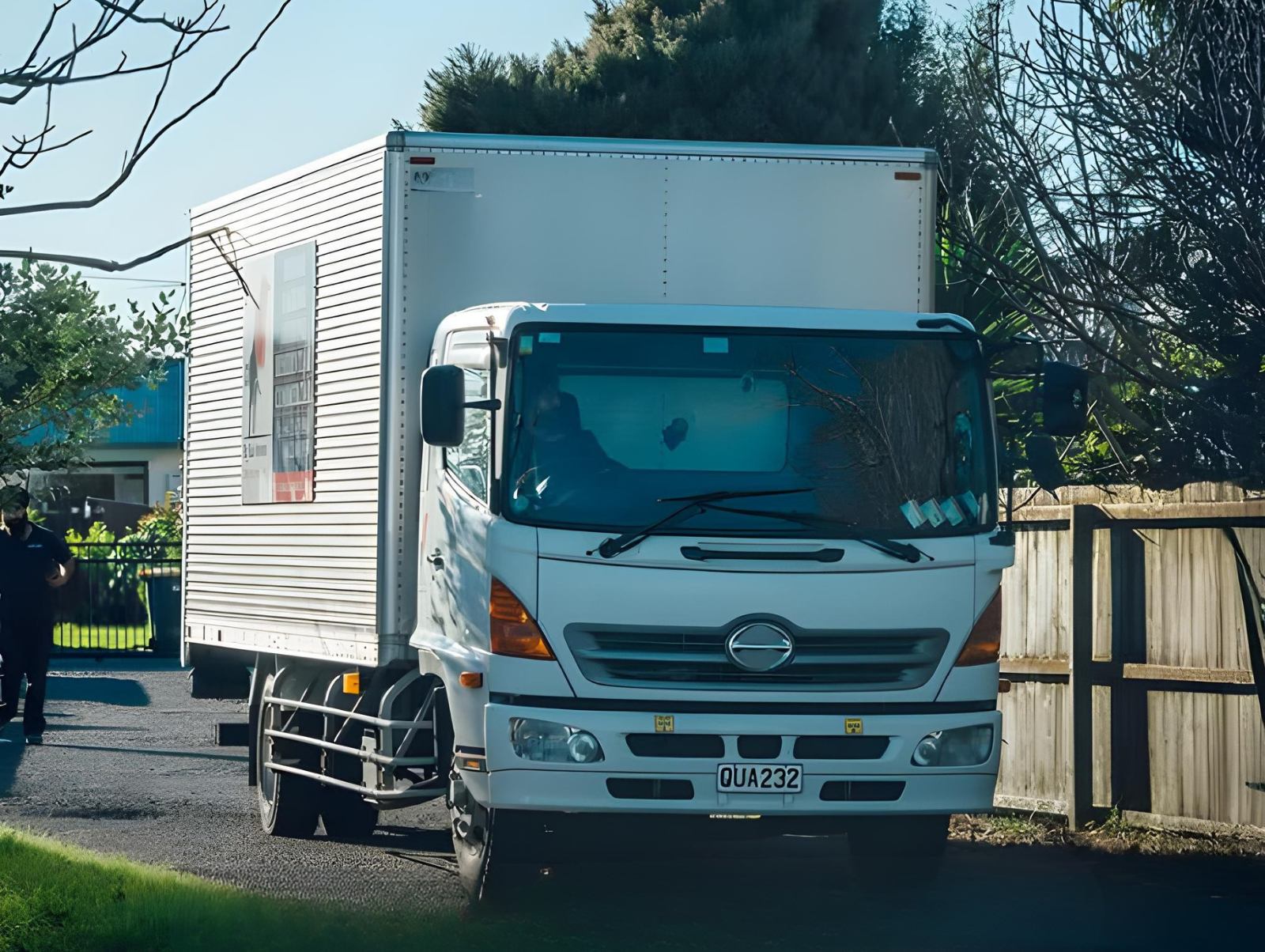

Executing a move like this properly yields good results. It requires sound planning and the assistance of Auckland's best machinery movers—professionals with extensive experience in this type of relocation.
This guide covers the key steps, from the initial site assessment through to reinstallation, so you know what a proper machinery move looks like before you start talking to anyone about booking one.
Step 1 – Assess the Machinery Before Anything Else
Before anything gets moved, someone needs to sit down and look at exactly what's being relocated.
This isn't just about measuring the machine. It's about understanding how it's anchored to the floor, what its centre of gravity is like once it's unbolted, whether it has any fluid systems that need draining beforehand, and what kind of access exists at both the current and destination sites.
Weight, dimensions, and anchor points
Most industrial machinery is heavier than it looks. A standard CNC machine can weigh anywhere from 2 to 20 tonnes depending on the model. Conveyor systems, presses, and lathes all have their own weight and balance profiles.
The anchor points matter just as much as the weight. Some machines are bolted directly into concrete. Others sit on vibration pads or isolation mounts. How a machine is attached to the floor determines how it needs to be detached, and getting that wrong causes damage before the machine has even moved.
Access conditions at both sites
The route from the machine's current position to the truck, and from the truck to its new location, needs to be mapped before the job starts. Door widths, ceiling heights, ramp gradients, floor load ratings — all of these affect what equipment can be used and how the move gets planned.
If the new site has a loading dock that can't take the weight of a hydraulic trailer, that needs to be known in week one, not on the morning of the move.
Step 2 – Plan the Route and Site Access
Once you know what you're moving, the next step is working out how it gets from A to B.
For moves within Auckland's industrial zones — East Tamaki, Penrose, Manukau, South Auckland — route planning is usually straightforward. For oversized loads that need to travel on public roads, NZ Transport Agency (NZTA) permits may be required for loads that exceed standard width, height, or weight limits.
Industrial machinery moving on public roads in NZ also has to meet specific requirements around escort vehicles, travel times, and lighting. A specialist machinery relocation company handles this as part of the service. It's not something to try and work out yourself the week before the move.
Inside the buildings, the route matters just as much. Map out where the machine will travel from its current position to the exit, and from the entry point of the new site to its final position. Tight corners, narrow doorways, and low overhead clearances all affect which lifting and transport equipment can be used.
Step 3 – Choose the Right Equipment for the Job
This is where industrial machinery moves differ most from general commercial removals. The equipment used determines what's possible and what's safe.
Forklifts
For machines up to around 5 to 10 tonnes, a forklift is often the primary tool. The forklift needs to have the right capacity rating for the load. Using an underpowered forklift is one of the most common causes of dropped loads and damaged equipment during machinery relocation.
Cranes and rigging
Larger or awkwardly shaped machinery that can't be lifted from underneath often needs crane rigging. Rigging involves attaching the machine to the crane using chains, slings, or spreader bars, depending on the machine's shape and anchor points. This is skilled work. The rigging configuration has to be right for the load or the machine can tip mid-lift.
Hydraulic skates and jacks
For moving heavy equipment across a factory floor without lifting it, hydraulic skates are the practical option. They slide under the machine and allow it to be pushed into position with precision. This is the standard approach for large presses, generators, and CNC machinery that can't be raised easily.
Expert machinery movers in Auckland will assess the job and choose the right combination of these tools for the load. There's rarely a one-size-fits-all approach.
Step 4 – Disassembly, Protection, and Preparation
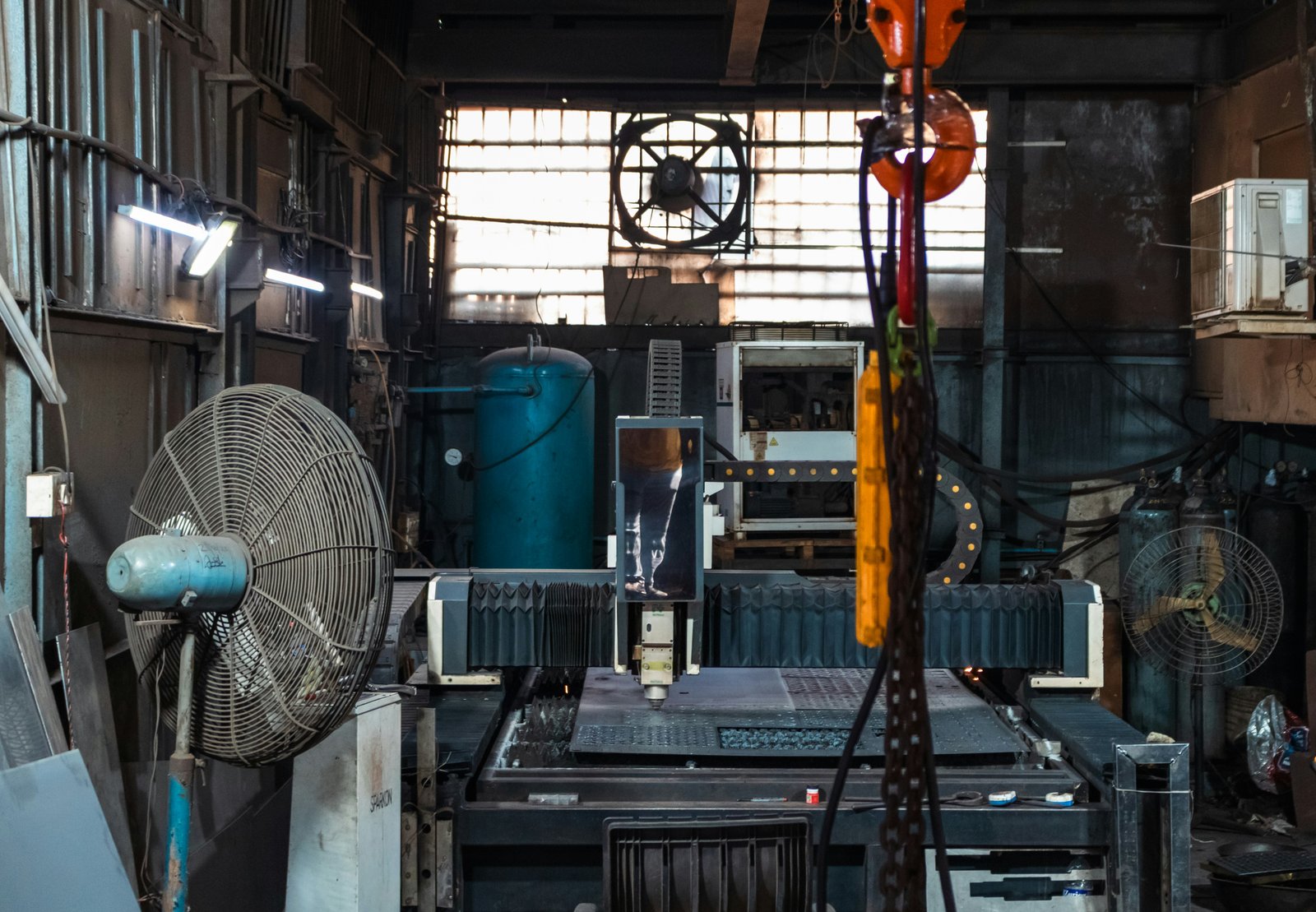
Most industrial machinery needs at least some disassembly before it can be safely moved. Control panels, protective guards, fluid systems, and external components often need to come off first.
A few things that need to happen before anything gets lifted:
- Drain any hydraulic fluid, coolant, or oil systems as required
- Disconnect all electrical connections and label every cable
- Remove any parts that are fragile or that extend beyond the main body of the machine
- Wrap exposed surfaces and components with appropriate padding materials
- Photograph the machine before disassembly so reassembly is accurate
The labelling step is the one that gets skipped most often, and it's the one that causes the most problems on the other end. An unlabelled bundle of cables going into a complex machine can add days to the recommissioning process.
Step 5 – The Move Itself
If Steps 1 to 4 have been done properly, the physical move should be the most controlled part of the whole process. A few things that make a difference on the day:
- Have someone on site at both ends who knows the machine and the plan. Not just a contact number, an actual person present who can make decisions if something comes up.
- Move machinery, factory plants, and equipment in the right order. If multiple machines are being relocated, the sequence matters. Move items that are furthest from the exit first, and keep access routes clear as the job progresses.
- For moves that involve oversize loads or equipment containers, moving machinery equipment, containers, vehicles, and oversize loads across public roads requires coordination with NZTA and sometimes police notification depending on the size. A specialist industrial relocation team manages this as standard.
- Don't rush the loading. The majority of damage during machinery transport happens during the lift onto the truck, not during the drive. Take the time to get the securing right before the vehicle moves anywhere.
Step 6 – Reinstallation and Recommissioning
Getting the machine into the new facility is only part of the job. Once it's in position, the machine needs to be levelled, anchored back to the floor, reconnected, and tested before it goes back into production. This is called recommissioning, and it's the step that determines whether the move was actually successful.
Safe, careful reinstallation of industrial machinery is not something to hand off to whoever happens to be on site. It requires someone who knows the machine, the manufacturer's installation tolerances, and what a properly commissioned machine is supposed to look like when it starts up.
Factor the recommissioning timeline into your downtime planning. Depending on the machine, this can take anywhere from a few hours to a couple of days.
OH&S Compliance in NZ — What You Need to Know
Under the Health and Safety at Work Act 2015 (HSWA), the business responsible for a machinery move has obligations around how the work is planned and carried out. This applies whether you're the business relocating the equipment or the contractor doing the physical move.
WorkSafe NZ reports that machinery and equipment incidents are consistently among the leading causes of serious workplace injuries in New Zealand. A significant portion of these happen during relocation, installation, or commissioning — not during normal operation.
What this means practically is that the team moving your machinery needs to have documented safe work procedures, the right equipment, and the training to use it. Asking for these upfront isn't overcautious, it's just sensible.
Big Bull Commercial provides a broad range of logistical services for machinery moving that comply with NZ health and safety requirements. We carry the right gear, work to documented procedures, and can assist with professional machinery and equipment transport services across Auckland and NZ.
What Does It Cost to Move Machinery in Auckland?
If you're planning to hire one of the best machinery movers in Auckland, cost varies depending on several factors — the weight and dimensions of the equipment, the complexity of the rigging required, the distance between sites, and whether after-hours or weekend work is needed.
There's no flat rate for machinery moves. A small CNC machine relocated within the same industrial zone is a very different job to moving a 15-tonne press from one side of Auckland to another with a crane lift involved.
Big Bull Commercial prices every machinery job after understanding the full scope. We transport a wide range of civil, agricultural, and industrial machinery, and we give you a number based on what's actually involved — not a rough guess that changes on the day.
If you're also planning a broader factory or warehouse relocation around the same time, it often makes sense to plan both together.
Why Auckland Businesses Use Big Bull Commercial for Machinery Moves
Big Bull Commercial is a specialist industrial equipment and machinery mover operating across Auckland and NZ. We don't do this as a sideline to residential removals. Machinery relocation, factory plant moves, and industrial equipment transport are core parts of what we do.
We handle machinery relocation services for businesses of all sizes — from a single piece of manufacturing equipment through to a full factory floor. Whether it's CNC machine movers, conveyor systems, heavy presses, or oversize industrial loads, we plan the job properly before anything gets lifted.
If you need help moving heavy items in Auckland and want to talk through what's involved before committing to anything, get in touch with our team. We can also help with broader industrial relocation services if machinery is just one part of a larger move.
FAQ
1. What types of machinery can Big Bull Commercial move?
We move a wide range of industrial and commercial machinery — CNC machines, presses, conveyor systems, generators, lathes, forklifts, and general factory plant and equipment. Each job is assessed individually based on weight, dimensions, and site conditions.
2. Do you need permits to move heavy machinery on Auckland roads?
It depends on the size of the load. Oversize loads that exceed standard NZTA width, height, or weight limits require permits and sometimes escort vehicles. Big Bull Commercial handles this as part of the job for loads that require it.
3. How long does a machinery relocation take?
A straightforward single-machine move within the same industrial zone can often be completed in a day. Larger jobs involving cranes, multiple machines, or recommissioning can take several days. We give you a realistic timeline upfront based on the scope of the job.
4. What's included in a machinery moving quote from Big Bull Commercial?
Our quotes cover site assessment, the physical move, rigging where required, and transport. Disassembly, floor anchoring, and recommissioning can be included depending on the job requirements. We break down what's in the quote so there are no surprises on the day.
5. How do I get a quote for machinery movers in Auckland?
If you need a quote for moving machinery in Auckland, the best approach is to select a top-rated commercial moving company and fill out the inquiry form on their website; you should provide all relevant details—such as the type of machinery, the specific items to be moved, and the pickup and delivery locations—to ensure there are no hidden fees later on.
Quick Summary
Moving industrial machinery safely in Auckland comes down to six things: proper site assessment, route planning, the right lifting equipment, careful disassembly and preparation, a controlled move, and a proper recommissioning once the machine is in its new location.
Each step connects to the next. Skipping the site assessment makes the route planning guesswork. Using the wrong lifting equipment makes the move unsafe. Skipping the labelling during disassembly makes recommissioning slow and expensive.
Big Bull Commercial handles heavy machinery movers jobs across Auckland with the full process covered from start to finish. If you're planning a machinery relocation and want to understand what's involved, talk to our team today.