This is the part most laboratory managers want to know before they call. Here is our approach.
Disconnection is the first risk point. Many lab instruments have calibrated settings, fragile internal components, or fluid systems that need to be properly isolated before they can be moved. Our team does not disconnect anything without a written disconnection checklist specific to that instrument. For electrical or gas-line disconnections, we coordinate with your facilities team or a licensed trades person.
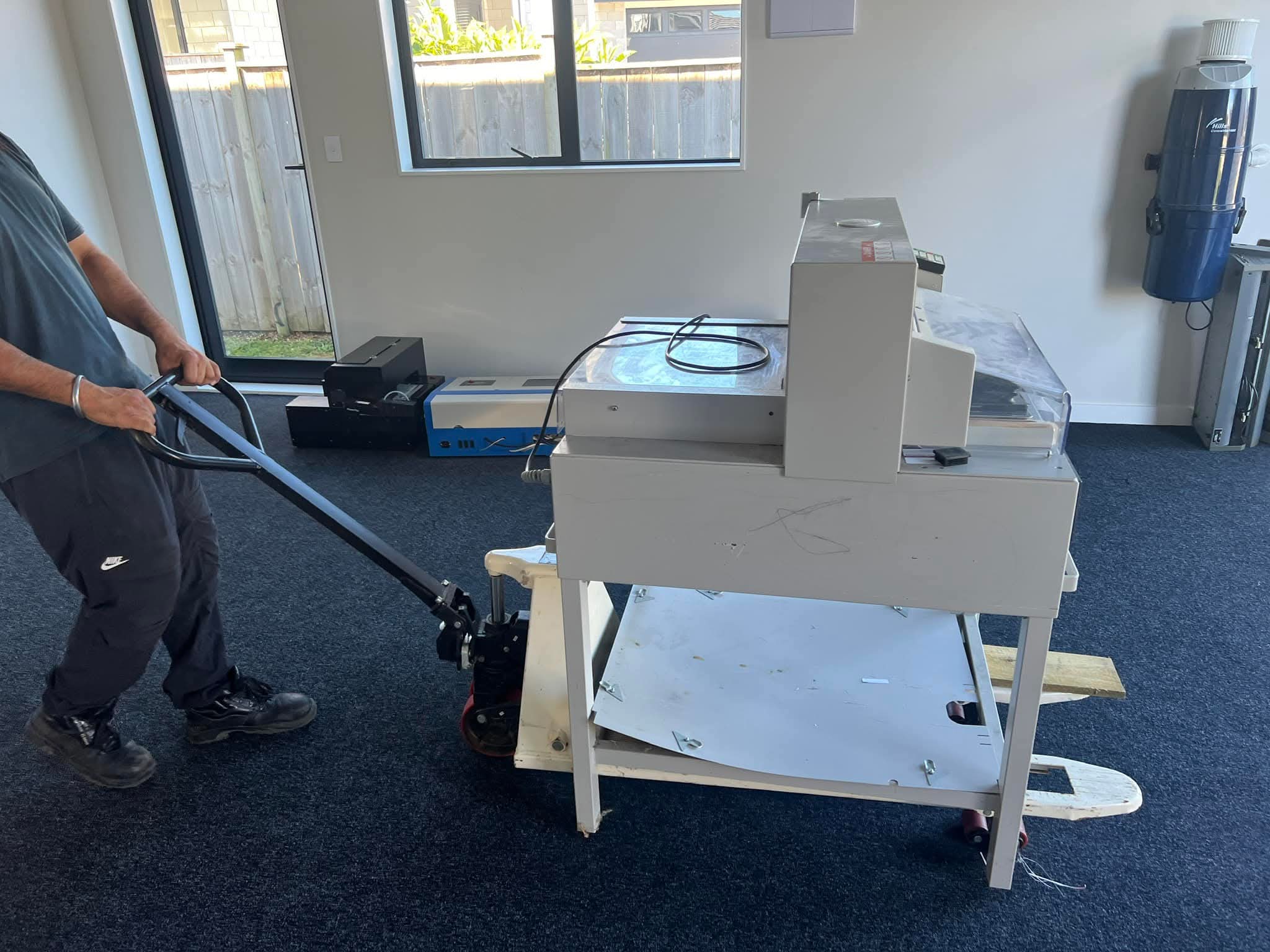
Packing is instrument-specific. We do not use generic packing for laboratory equipment. An analytical balance goes into an anti-vibration case. A centrifuge rotor is locked or removed. A microscope optic is wrapped and boxed independently. We use original manufacturer packaging where it exists and custom-fabricated crating where it does not.
Transport is vibration-controlled where required. Precision instruments are transported in air-ride suspension vehicles when vibration sensitivity is high. Every vehicle is loaded with the instrument's centre of gravity in mind.
Reinstallation and recommissioning. At the new site, equipment is positioned to your floor plan, reconnected in the correct sequence, and checked against your commissioning notes. For instruments requiring manufacturer recalibration after a move, we note this clearly in the handover documentation so your team knows exactly what needs to happen before the instrument goes back into use.