
A treadmill is something that seems like a light piece of equipment to relocate, getting it through a narrow hallway can prove to be an incredibly challenging task. A variety of fitness machines are surprisingly heavy and fragile and need to be transported by professional movers.
If you are relocating your home gym or fitness studio and want to avoid costly mistakes and injuries, hiring professionals like Big Bull Commercial to help will lighten the load.
This article will discuss what service providers can assist you with, how to prepare fitness equipment for relocation in Auckland, and what factors to consider to avoid unexpected expenses.
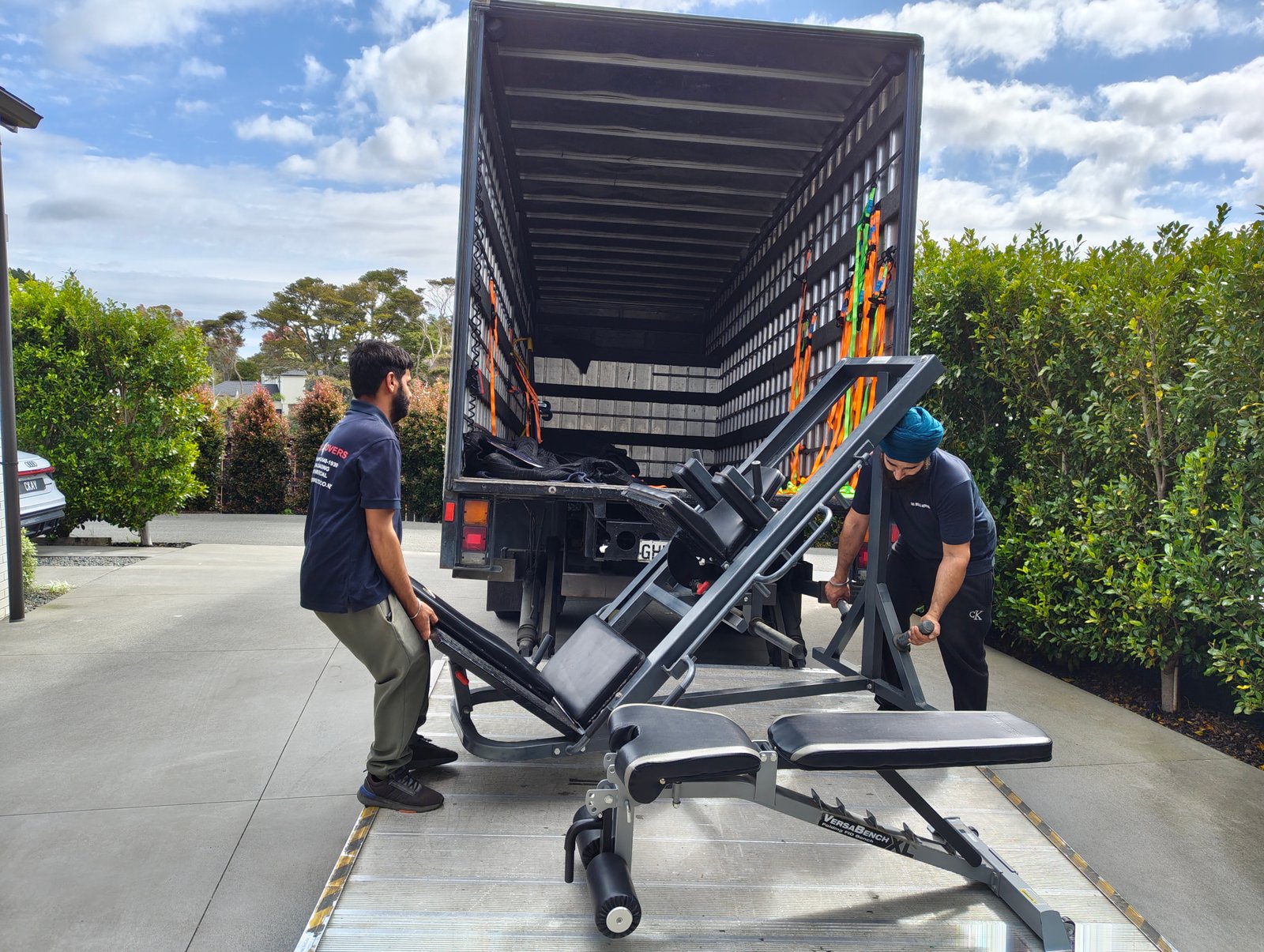
Can Heavy Gym Item Movers Transport All Types of Fitness Equipment?
Big Bull Commercial is familiar with the equipment, including treadmills, exercise bikes, rowing machines, ellipticals, weight benches, racks and free weights. The bigger items, such as cable machines and multi-gyms, may also be moved, depending on how big and heavy they are and their installation.
Some equipment, including the Pilates reformers or commercial gym fitness machines, may involve additional labour or machinery to transport them. It is advisable to confirm with your chosen moving service if they offer transporting such equipment. Besides, it is essential to clarify whether the given price range involves disconnection, dismantling, assembling and reconnecting of machines to avoid any unexpected charges at the end of a move.
How Does Moving a Home Gym Differ From Relocating a Commercial Facility?
Relocating a home gym tends to be less complex than dealing with a commercial gym because there are fewer pieces and generally easier to carry with you during the relocation process. In most cases, people tend to move their home gyms along with their other household goods. However, moving a commercial gym requires more effort since there are more pieces, and the entire operation must be planned down to the last detail in order to avoid inconveniencing the clients.
In most cases, when moving a home gym, the main problem that occurs is getting the equipment through narrow doors, up and down stairs, or between floors because even small machines can weigh a lot.
When it comes to moving a commercial gym in Auckland, it requires more detailed planning because you have a list of equipment, furniture, and accessories. It is essential to take measures to ensure that the new floors are not damaged during the move. Another thing to consider is the overall size and power supply in the new location. Finally, if some machines are fixed to the ground or walls, they must be dismantled.
How Should You Plan Before Moving Fitness Equipment?
Before you start removing it all to move it, make sure to measure your fitness machines to make sure they will fit through doorways, hallways, and staircases. Take pictures of your equipment so that you can see what is damaged upon arrival. You should also check the warranties on your equipment, because some companies require that you have their equipment professionally disassembled and assembled. Lastly, you should create a detailed plan and timeline for breaking down, packing, moving, and rebuilding all of your equipment.
How Do You Prepare Home Gym Equipment for the Move?
Beforehand: Clean all machines and make sure that they are dry. Remove all extra pieces and accessories. Bag all the screws and bolts and make sure to label them. It is advisable to follow the manufacturer’s guidelines for taking apart specific machines. Do not roll up machines straight after a workout due to the risk that trapped dampness could ruin the surface of the machines and short-circuit any electronics.Take off all extra pieces such as drink holders, tablet stands, bands, and removable pedals. Keep the safety key, power cords, and instructions with the respective machines.Make sure to unplug all the machines and take out the safety key before dismantling them. Below are a few examples of how to dismantle different types of machines:
- Treadmills: if possible, roll up the deck and make sure that the power cord is properly placed.
- Ellipticals: if applicable, take off the removable pedals.
- Exercising bikes: take off the bike seats and the pedals if necessary.
- Weight machines: remove all the weights and make sure that you lower the seats so that the machine is more compact.
Do not detach cables under pressure, springs, or electrical elements if you do not know what you are doing. If you have a doubt about how to dismantle a specific machine, it is advisable to call a professional to take it apart and put it back together. This will prevent extra expenses due to improper dismantling.
When Should You Hire Movers for Treadmills, Weights, and Large Machines?
It is better to hire professional movers such as Big Bull Commercial to relocate a treadmill that is old, heavy, upstairs or in the basement, or that cannot be taken apart quickly and easily. Some older treadmills can’t be dismantled for relocation. Movers may ask if the treadmill folds, its size and whether it is unplugged.
To transport free weights, it is better not to put all the plates and kettlebells in one box but to divide them into medium and large boxes for a better transport. Dumbbells and barbells, when combined with weight plates, can create a huge amount of weight. The number of movers and the type of vehicle will depend on the weight and the size of the equipment. Heavy items such as multi-gyms, rowing machines, stationary bikes, stair climbers and other large fitness equipment need special equipment and knowledge. It is advisable to hire professional movers to relocate the large and heavy items.
Movers can help to avoid injuries, the loss of fitness equipment and the destruction of floorboards and walls during the relocation of the heavy and large items.
How Do You Pack, Lift, and Move Gym Equipment Safely?
Use moving blankets, bubble wrap, boxes, and the original packaging (if available). Reinforce the bottom of boxes with extra tape. Protect the equipment’s sensitive parts, such as screens and control panels.
Lifting heavy items during a move can be challenging, so you need to be especially careful if you have a small team and have to carry equipment overhead. Remember to squat and lift items by the knees. Use lifting straps in case of a large and heavy machine. If you need to move a big and unusual piece of equipment, you may want to leave it to professional movers.
A proper vehicle is as important as a professional team when removing and relocating equipment. A proper van or truck and other accessories such as additional straps and blankets are enough for smaller and lighter items. Moving heavy machinery may require a truck with a tail lift or a forklift. Stack boxes and equipment on top of each other, making sure they are secured appropriately to prevent shifting during transit. Place heavy items at the bottom and light items on top.
Floor covering and additional protection in door frames and narrow passageways should also be given priority during removal and relocation. This additional precaution will safeguard the floor coverings and equipment during transit and protect them from scratches and other damages.
What Affects the Cost of Moving Gym Equipment, and How Do You Get Accurate Quotes?
The charges for transportation of fitness equipment will depend on several factors, such as the weight of the machines, the distance to the new location, the number of movers required, and the size of the vehicle needed. The cost of dismantling and reassembly may also increase the cost, as well as the presence of stairs, narrow hallways or passages, the distance of the transport, and the availability of parking.
To calculate the cost of transportation, you need to provide the moving company with all the necessary information and documents, including:
- The state of the machines (fully or partially dismantled, folded, or fixed to the floor).
- The address of your current location, the floor where you will need to unload, the number of steps leading to the entrance, and the availability of lifts or ramps.
- The availability of parking for the moving company’s vehicles.Photos of larger machines that will be transported to help movers get a better idea beforehand.
- When comparing the moving companies’ quotes, take a closer look at what services are included and ask for clarifications if something is not clear. Sometimes cheaper rates do not include all the necessary services such as dismantling and reassembly of fitness equipment. Make sure everything is written in the contract to avoid any unpleasant surprises at the final stage.
Is Moving Gym Equipment the Same as Installing It?
Taking your equipment off the gym does not necessarily mean that the company you hired will reinstall it for you. Some companies charge an additional fee for this service, while others only provide transportation of the equipment. Ask the company about this in advance.
In addition, you may need to hire a technician to reconnect the equipment, especially for machines that utilizes electricity and have special installation features. Finally, after reinstalling the equipment, test each machine to ensure that it is operating correctly. Check all the loose parts, such as the cords and belts, and make sure they are properly connected.
How Do You Choose Between New Zealand Movers and Other Providers?
Before selecting a company, you should study its reviews and learn whether they have experience in transporting heavy equipment. You can compare New Zealand commercial movers and local ones or choose between a professional mover and an independent shifter.
You should also clarify details about your equipment transportation. Ask them to secure your items during transit and check if they can carry them directly to your desired room or leave them near the entrance. Moreover, remember to explain what machines you want to move and ensure that they are comfortable with your request.
What Are the Extra Tips for Smooth Relocation?
A few extra habits make the whole move easier:
- Take photos of your equipment before and after the moving process to be able to document any damage.
- Make sure to clear the pathways in advance so that the movers can get everything to its new location without having to move any of your personal belongings, such as rugs, plants, toys, and so on.
- Make sure to give yourself enough time and help; the task can take several hours, especially if you have to move all the equipment.
- Sell or throw away any equipment you will not use anymore; metal weights can be thrown away in the recycling bin, whereas old electronic equipment should be thrown away in a special electric waste department.
- If your new location is not ready, you might want to think about having your equipment stored in case you need it in the future.
- Plan where you are going to set up your racks and benches so that you have a general idea of where everything has to go, and so you can get your equipment set up faster.
If you own a commercial fitness centre, make sure the work is done in off-peak hours and that all items are listed in an inventory to ensure everything is set up correctly.
Ready to Move Your Gym Without the Stress?
Moving a gym is not that difficult if one takes it seriously. Firstly, measure the doors and staircases in order to understand how to get large pieces of equipment in the new place. Secondly, equipment should be properly packed and, possibly, moved by professionals. Lastly, when hiring movers, it is essential to clarify all the details and obtain several estimates from different companies to ensure that nothing will be overlooked. Following these rather simple guidelines will save time, energy, and nerves in moving a gym.