
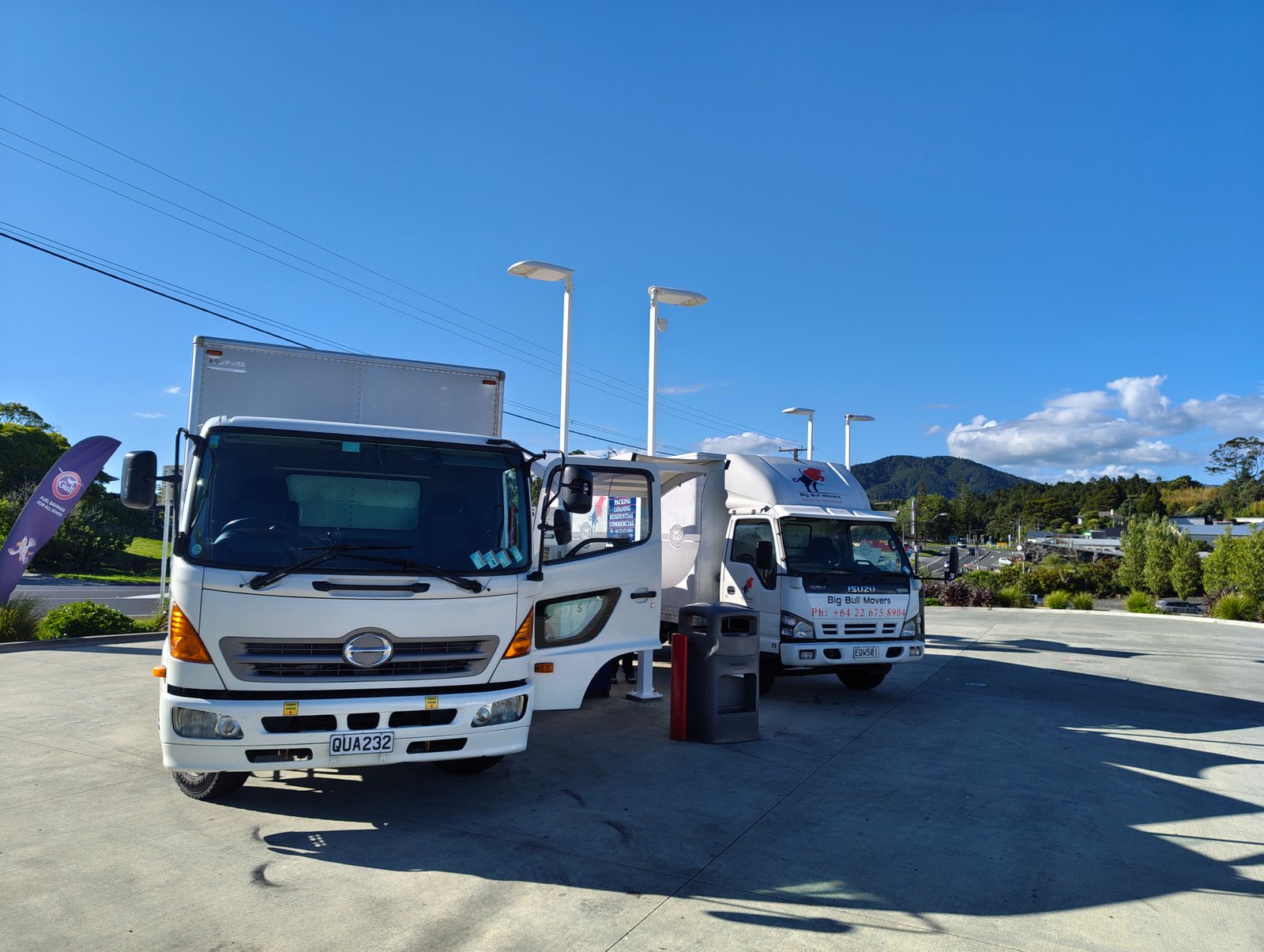
Most office relocation delays in Auckland don't start with the trucks. They start at the building: a lift nobody booked, a loading zone with a strict time limit, or a neighbouring tenant who wasn't told. This guide shows office managers how to plan building access, lift bookings, and loading zones so your commercial movers can start on time and your team is working again on Monday.
Why does building access matter so much in an office relocation?
Movers are usually paid by the hour, making access issues extremely costly. A truck that cannot get to the dock, a shared elevator with other residents, or a moving window that closes at 6 pm can add up to an entire day. Many towers in the Auckland CBD also require a signed contract before entering and a certificate of insurance.
Access can also affect the risk. Goods that need to move downstairs or up stairways that are too small cause damage such as to walls, doors, and desks. Addressing such problems early on protects one's assets, one's landlord relations, and one's downtime.
What should you check at both buildings before booking office movers?
A proper plan starts with a site check at both ends. Confirm:
- The exact entrance, floor number, and route to the lift
- Goods lift dimensions, weight limit, and operating hours
- Loading dock location, or the nearest legal loading zone
- Maximum vehicle height, since basement car parks often limit truck size
- Stair access, corridor widths, and door sizes compared with your desks and cabinets
- Permitted moving hours, plus any noise or weekend rules
- Whether contractors need insurance certificates or a site induction
When you ask movers for a price, send them this information. It lets them estimate time accurately and avoids surprise charges on the day.
How do you book a goods lift for an office move in Auckland?
Contact building management as soon as your move date is confirmed. Book both buildings, because the old and new addresses each have their own rules. Ask:
- How far ahead must we book, and for how many hours?
- Is there a dedicated goods lift, or only a shared passenger lift?
- Is lift padding required, and who supplies it?
- What are the maximum load and internal dimensions?
- Who do we call if the lift breaks down mid-move?
Book more time than you think you need. If your slot runs over, another tenant's booking may cut in. Plan a fallback, such as moving floor by floor or shifting heavy items first, so a lift problem doesn't stop the whole job.
How do loading zones and parking work for movers in Auckland?
Some buildings have a private loading dock that must be reserved. Others rely on on-street loading zones, and this is where moves often go wrong. In Auckland, there are two kinds of loading zones. The sign tells you the time limit.
Practical steps:
- Save your spot early for loading areas, elevators, and parking.
- Check truck height against dock and basement clearances
- Check the parking sign for time limits before moving.
- If the street is tight or there's no dock, ask about a shuttle vehicle or staged loading
- Confirm current permit rules with Auckland Transport if you need to reserve kerbside space
Reserving access areas early is far cheaper than paying a crew to wait.
What if the building has multiple tenants or a body corporate?
Remind the building landlord or manager early, ideally at the point when your move date is set. If it's a multi-tenant building, the body corporate or property manager may administer lift bookings, loading times, and insurance requirements. Make sure to let the other tenants know too, as noise, lift usage, and blocked corridors impact their daily lives.
Ask for written confirmation of the approved loading arrangement. That way any disputes are settled to the satisfaction of all on the day, and a good working relationship with building management may help next time you need a favour.
Should you move after hours or on a weekend?
After-hours and weekend relocations suit many offices because staff can be back at their desks on Monday. They also suit buildings that restrict lift use during business hours.
The trade-offs are not insignificant. Some buildings can restrict noise or are chargeable for after-hours lift and security access, and overtime rates may apply. A weekday night move reduces downtime but offers little in the way of recovery time if something goes wrong. A move over the weekend provides more flexibility but requires the presence of building staff. Ask your building manager about which windows they permit, and then select the balance between cost and downtime that suits you most.
How should you sequence move day?
Sequencing makes or breaks a move. A typical plan looks like this:
- Early: Movers arrive, protect lifts and floors, and walk the route with your contact
- Load first: desks, chairs, essential files, and prepared computers, so you can restart quickly
- Transport: with one authorized person at each building
- Unload: into nominated rooms using your floor plan and labels
- Finish: furniture movers reassemble desks and shelving, then you walk the old office and check it meets your lease condition
Give your movers a floor plan and make sure that all boxes and pieces of furniture are labelled with their destination room or workstation number. If the move is too large to complete in one day, take care that what your workers need to be doing is prioritized.
Which office items need special handling?
Not everything moves as ordinary freight.
- For computers: save your data, tag the wires, and let your IT team unplug and set them up. Movers transport it; they don't configure networks.
- Photocopiers, safes, and medical devices: may need the manufacturer or an authorized technician to protect warranties.
- Filing cabinets: empty them first where possible, as full cabinets are heavy and easily damaged.
- Sensitive records, cash, and access credentials: keep them under an authorized staff member's control.
- Wall- or floor-fixed items: need a tradesperson before the movers arrive.
What should you ask a moving company in Auckland before you book?
Choose office movers who ask about building access before they quote. Look for:
- A site check at both addresses
- Confirmation of lift bookings, loading zones, and body corporate rules before move day
- Clear pricing, including what covers dismantling, blankets, and trolleys
- Transit insurance information and moving terms in writing
- Can move at night, on weekends, and on holidays if needed.
At Big Bull Commercial, we plan access, lift bookings, and loading arrangements with you before move day so your relocation runs to a schedule rather than by luck.
Frequently asked questions about Auckland office relocation
Do I need to book the goods lift for an office move?
Usually, yes. Commercial buildings often require lift and loading bookings, so check with building management at both addresses.
How far ahead should I plan an office relocation?
Allow around four to six weeks for a standard office and longer for multi-floor moves. Start with access and lift bookings, because they have the least flexibility.
Can movers work after hours?
Yes, within your building's permitted hours. Confirm times with building management before you book.
Do office movers handle furniture and computers?
Movers handle furniture, boxes, and properly packed equipment. Your IT provider should disconnect, reconnect, and test computer systems.
Ready to plan your office move?
Send us both addresses, your preferred date, and your building's lift and loading details. As your Auckland commercial movers, we'll confirm the access plan and give you a clear quote.